
Wound Measurement for Clinicians: A Practical How-To Guide
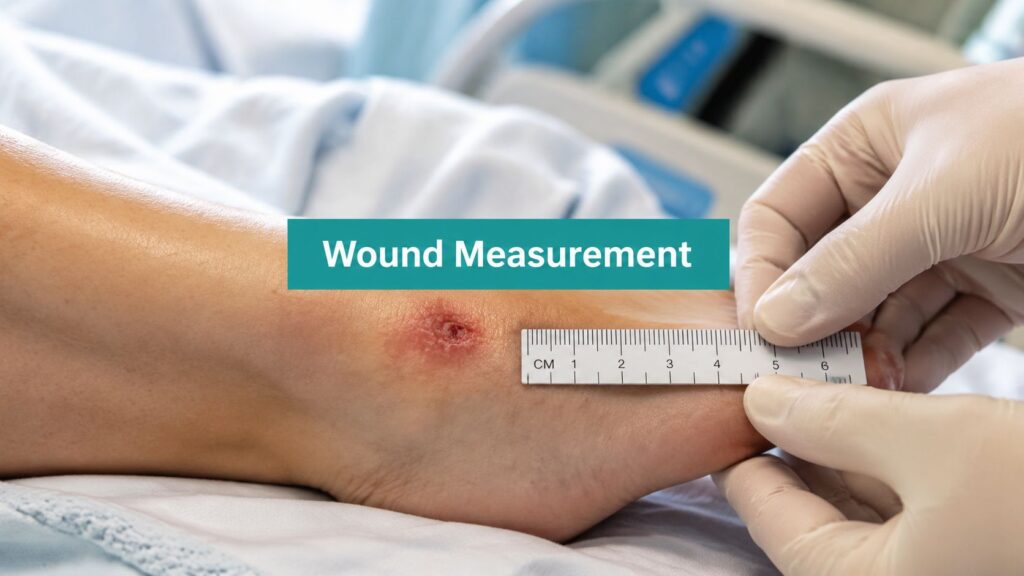
A patient returns to clinic two weeks after debridement. The wound looks smaller, but the previous note contains no baseline dimensions, no undermining map, and no clear statement of the deepest tissue removed. The physician can't prove the wound's trajectory to a MAC auditor, and the patient's Wagner grade progression is impossible to establish. That […]
Collagen Dressing Selection and Application
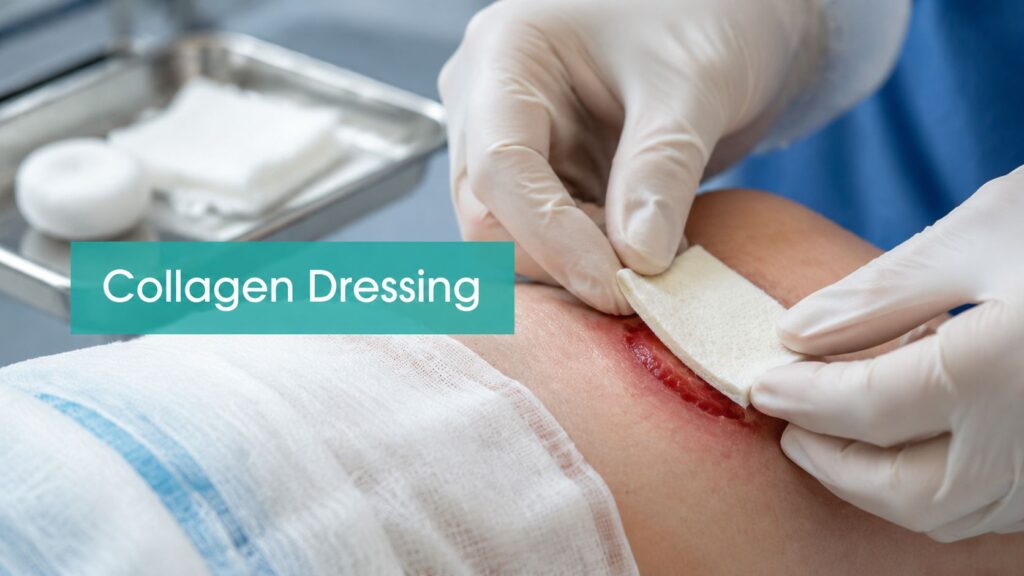
A Wagner 2 diabetic foot ulcer can look deceptively manageable: clean margins, moderate drainage, no obvious spreading infection, and a patient who says offloading is finally happening. Yet after several weeks of sharp debridement, pressure relief, and moisture control, the measurement barely changes. That plateau is where a collagen dressing may earn a place in […]
Periwound Assessment: Pathologies, Documentation, and Coding
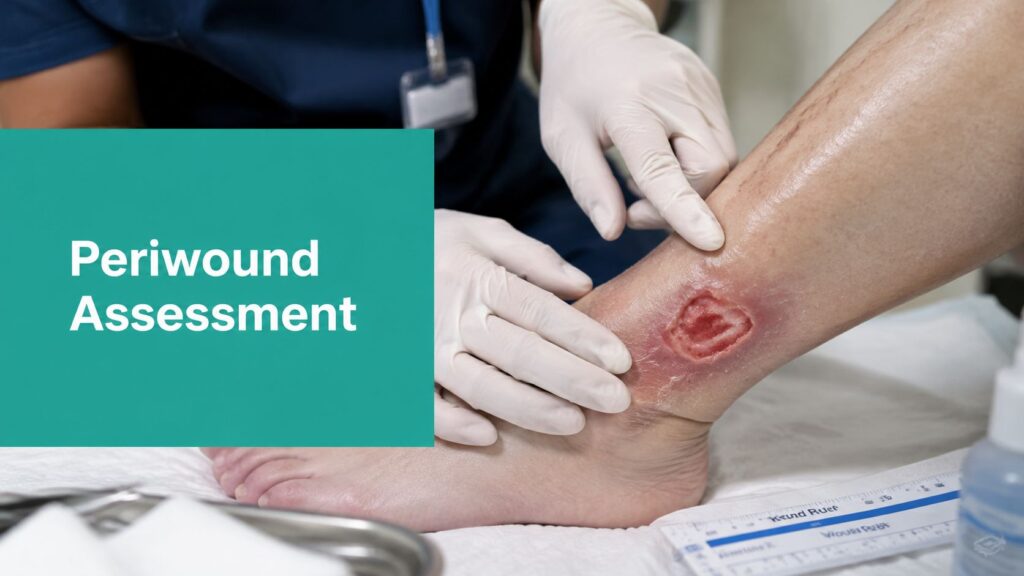
A venous leg ulcer can look obedient on Monday, all pink granulation and no obvious trouble, then the patient walks back in with a white, soggy rim, more pain, and a dressing that's already been fighting strike-through for days. The wound bed got the attention. The skin carrying the load around it didn't. That's how […]
Eschar vs Slough Clinical Comparison Guide
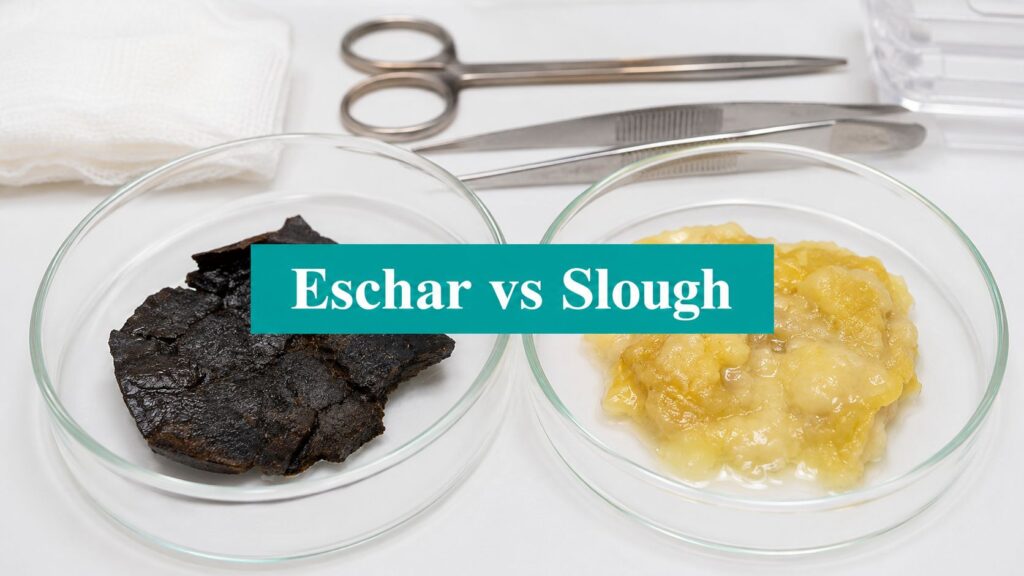
At the bedside, the wound doesn't always tell you what it is right away. A dark heel, a yellow fibrous base, a drainage-heavy sacral ulcer, all of them can look like “dead tissue” until you slow down and separate eschar from slough with a real management plan in mind. That distinction changes staging, debridement, billing, […]
Total Contact Cast for Diabetic Foot Ulcers
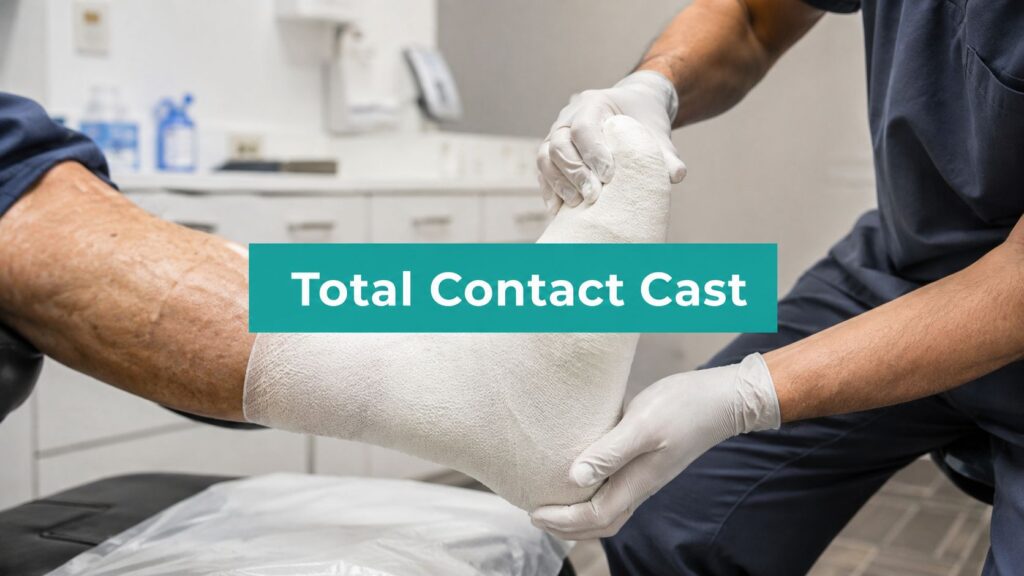
The patient who keeps saying, “I wore the boot,” while the plantar ulcer opens again is usually the one who ends up in a total contact cast. You can see the pattern in clinic before you even measure the wound. The ulcer is shallow, neuropathic, plantar, and stubborn, and the removable device has turned into […]
Maceration Wound Care: Clinical Guide
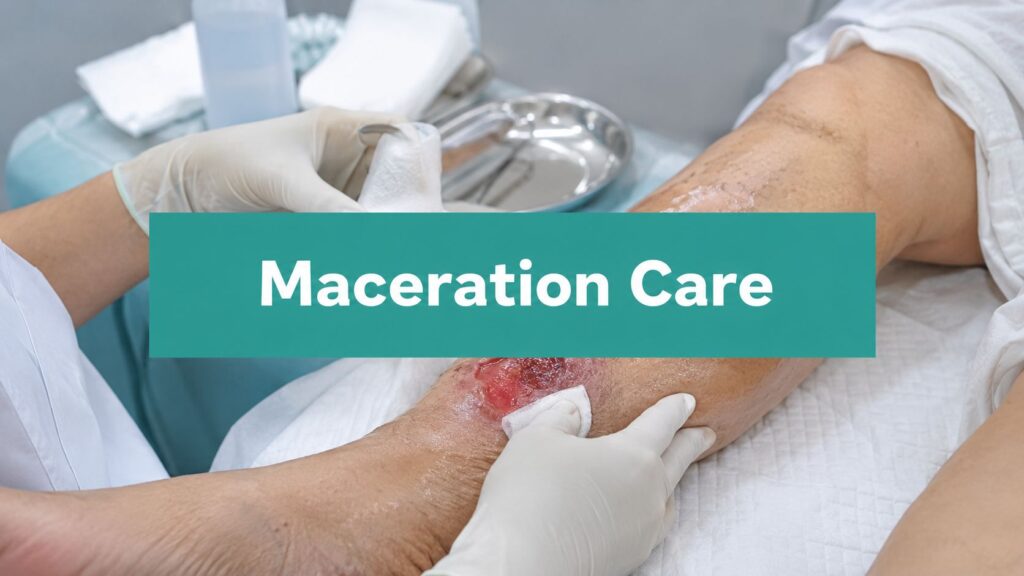
The ulcer looked cleaner than the chart suggested. The wound bed had decent granulation, but the periwound skin was white, wrinkled, and starting to lift at the edges. That's the kind of maceration wound that turns a manageable visit into a stalled plan, because the drainage is telling you the dressing system is already losing […]
Eschar vs. Scab: How to Tell Them Apart at the Bedside
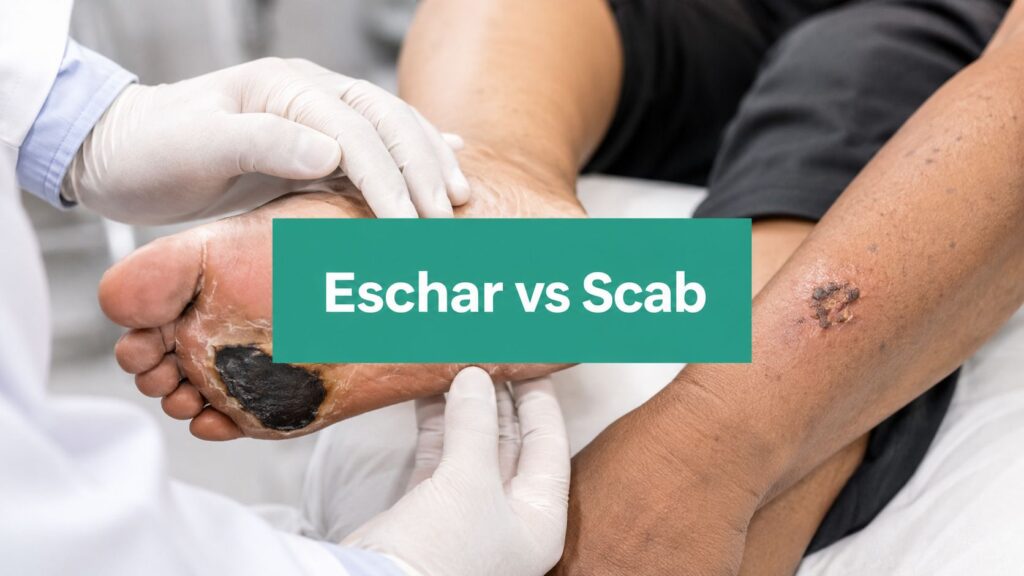
The Difference Between Eschar and Scab: What Actually Matters at the Bedside The most common mistake I see in wound charts is calling a black plaque on a diabetic heel a scab. This single word choice can derail a claim, delay appropriate treatment, and misrepresent what is happening in the tissue. Eschar is devitalized tissue […]
Tunneling Wound Assessment and Treatment
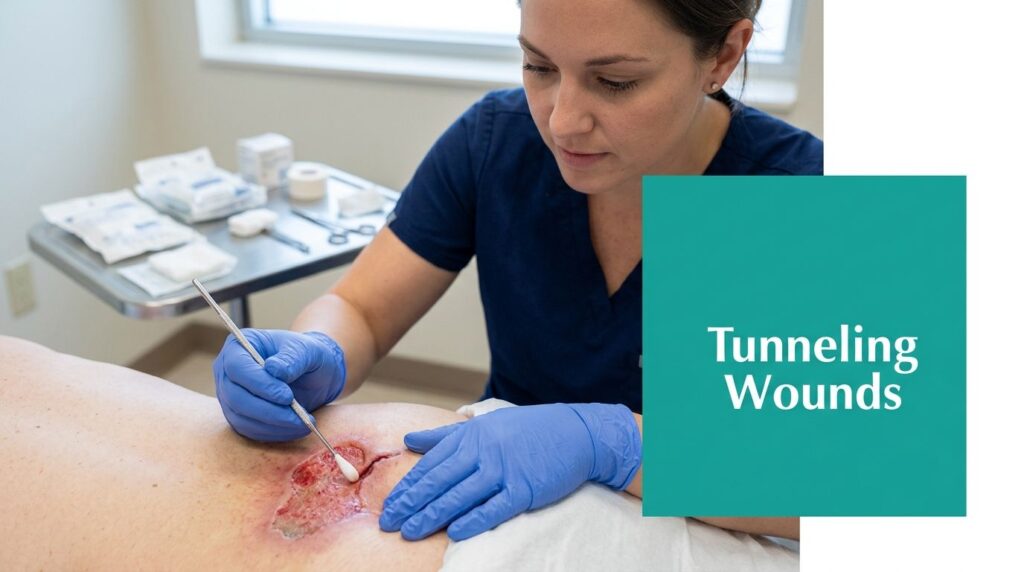
The first thing I look at is the opening that looks too small for the problem underneath it. A 1 cm sacral opening that probes into a 6 cm tract at the 4 o'clock position is not a tiny wound. It's a dead-space problem, a documentation problem, and often an escalation problem all at once. […]
Unna Boot: Application, Patient Selection & Documentation
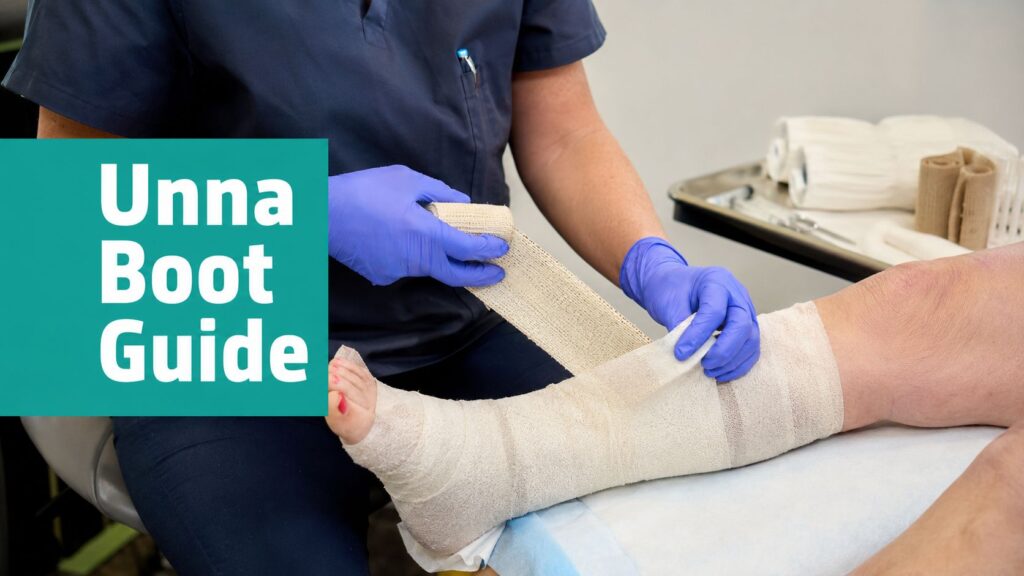
The first thing I check is the foot, not the dressing cart. If the leg is hot, swollen, and draining around the medial ankle, an Unna boot may be exactly the right compression. If the same leg has rest pain, a weak pulse, or a wound pattern that doesn't fit venous disease, putting paste gauze […]
Eschar Management and Coding Guide for Wound Care
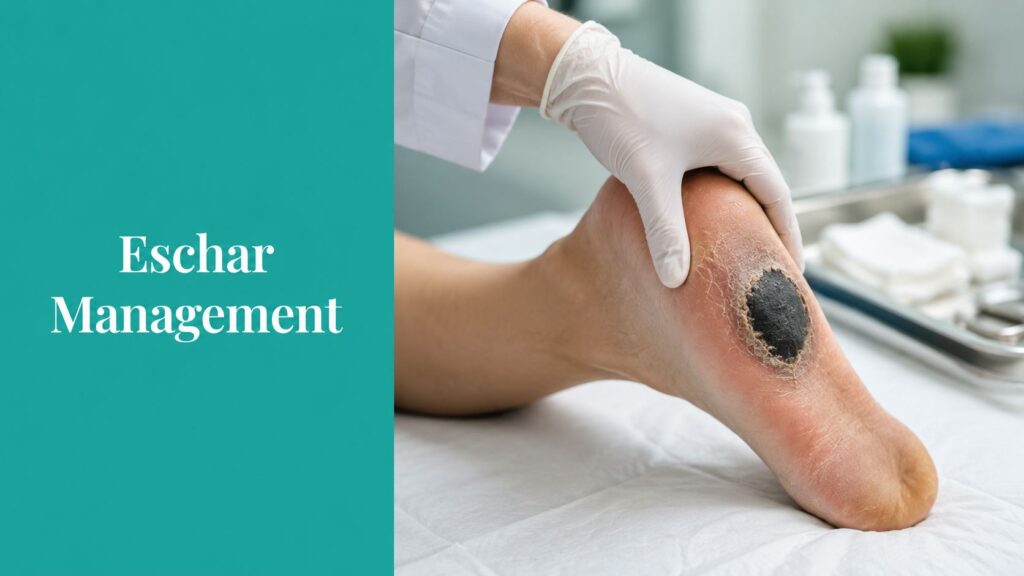
A black heel on a diabetic patient usually lands on your list at the worst time, a home visit, a late charting catch-up, or a rushed rounding block. The lesion may be dry and hard as a shell, or it may hide drainage and erythema at the edges. That first look matters because eschar can […]