

The body's ability to repair itself after injury, whether from surgery, trauma, or chronic conditions, is a complex metabolic process that demands a significant nutritional investment. While bandages and sterile technique are frontline tools, the unseen work of cellular repair, collagen synthesis, and immune defense is fueled entirely by the vitamins, minerals, and macronutrients available. A deficiency in even one key nutrient can stall the healing cascade, leading to chronic wounds, infection, and poor patient outcomes. This intricate biological process highlights the importance of a well-rounded nutritional strategy in clinical care, as proper nourishment is as critical as any dressing or debridement procedure. The metabolic stress from a significant wound can increase energy needs by up to 50% and protein needs by over 100%, yet these requirements are frequently overlooked in standard treatment plans.
This guide moves beyond generic advice to provide a clinician-focused, evidence-based roundup of the most impactful nutrients for recovery. Understanding the broader role of nutrition in healing, including the essential nutrients for overall vitamin for skin repair, can further enhance recovery, but our focus here is on the specific demands of wound closure. We will cover the specific biochemical roles of each nutrient, from initial inflammation control to the final stages of tissue remodeling, offering a deep dive into the science that underpins effective nutritional intervention.
We will explore not just what works, but how it works, delving into the mechanisms of action, optimal dosing, dietary sources, and practical implementation for wound care professionals. Searching for the single best vitamin for wound healing reveals a more nuanced answer: it’s a synergistic team of micronutrients. This resource provides the clinical details you need to identify deficiencies, recommend appropriate supplementation, and integrate nutritional support into modern practice to accelerate patient recovery and improve outcomes. We will cover key nutrients from Vitamin C and Zinc to the often-overlooked B-complex vitamins, providing actionable insights for immediate application in your practice. Our goal is to equip clinicians with the knowledge to make nutritional assessment a core component of every wound care plan, transforming patient outcomes through a holistic, evidence-based approach.
1. Vitamin C (Ascorbic Acid) – Essential Collagen Synthesis for Wound Closure
Vitamin C, or ascorbic acid, is a fundamental nutrient for tissue repair and one of the best vitamins for wound healing due to its direct role in collagen production. This water-soluble vitamin acts as a critical cofactor for two key enzymes, prolyl hydroxylase and lysyl hydroxylase. These enzymes are responsible for stabilizing the collagen molecule, providing the structural integrity necessary for building new granulation tissue. Without sufficient vitamin C, the entire wound closure process is compromised, leading to impaired healing and weaker scar tissue. The resulting collagen is fragile and unable to form the strong, cross-linked fibers needed for durable repair, a condition historically exemplified by the poor wound healing seen in scurvy.
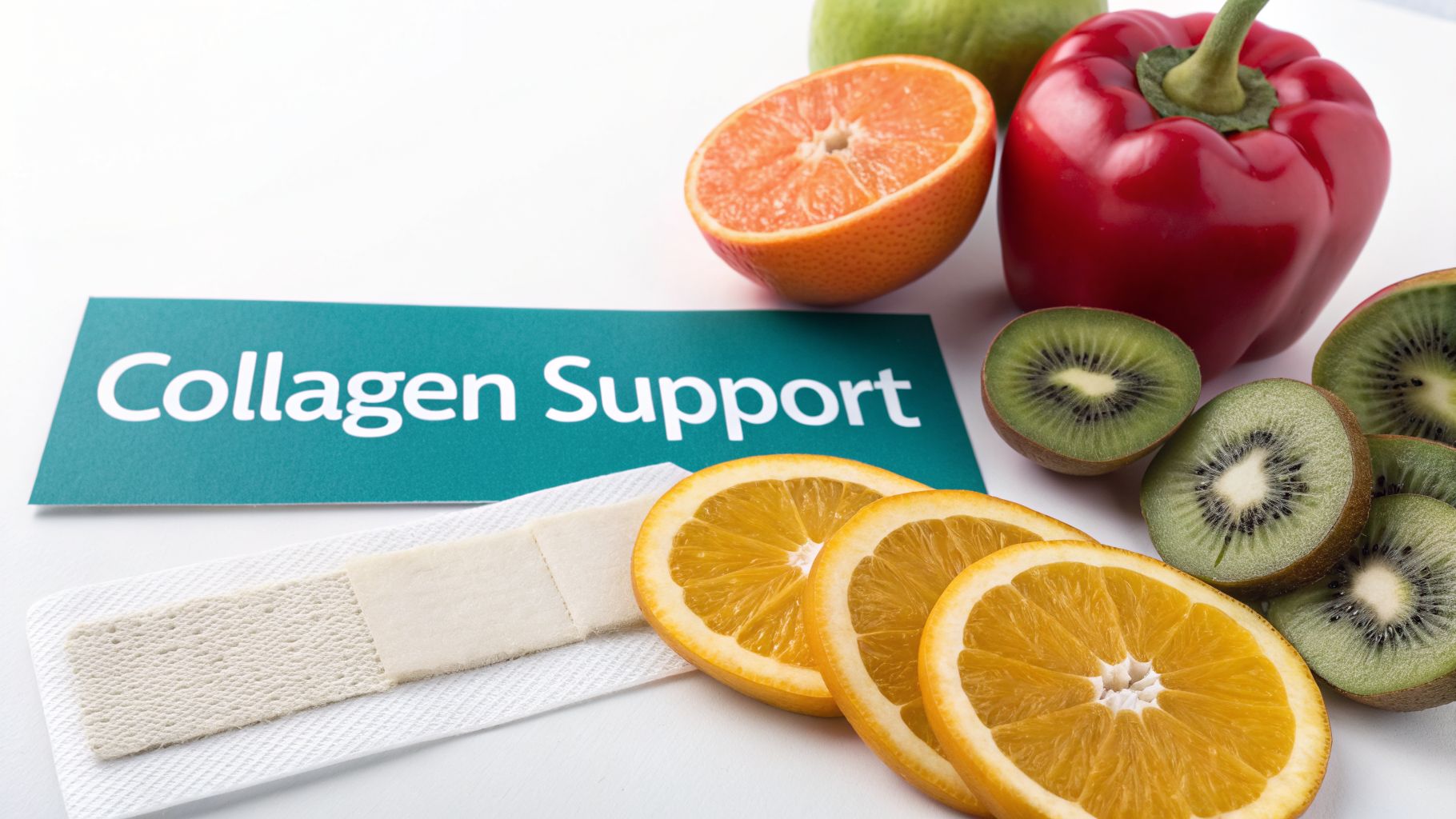
This process is most active during the proliferative phase, where the body rapidly lays down a new collagen matrix to fill the wound defect. Ascorbic acid's function as a powerful antioxidant also helps protect the healing site from damage by free radicals, which are abundant in inflamed tissues. This dual role of supporting structural protein synthesis and reducing oxidative stress makes it indispensable for every stage of wound healing, from initial inflammation to final tissue remodeling. For a deeper understanding of these stages, you can explore the normal wound healing process. By neutralizing reactive oxygen species (ROS), vitamin C preserves the integrity of newly formed cells and prevents the degradation of the delicate extracellular matrix, ensuring a healthier and more robust healing environment.
Clinical Application and Dosing
For patients with chronic or non-healing wounds, assessing nutritional status is a priority. Subclinical vitamin C deficiency is common, especially in elderly, malnourished, or smoking populations. In these at-risk groups, supplementation is often necessary to meet the increased metabolic demands of tissue repair. Smokers, in particular, have significantly higher vitamin C requirements due to the oxidative stress induced by tobacco use, which depletes bodily stores.
- Dosing: While the Recommended Dietary Allowance (RDA) is 75-90 mg/day, therapeutic dosing for wound healing is much higher. Clinical guidelines, such as those from the National Pressure Injury Advisory Panel (NPIAP), often suggest 500-1000 mg daily for patients with significant wounds, particularly pressure injuries. Doses may be increased to 2000 mg/day for short periods in cases of severe deficiency or extensive trauma.
- Duration: Supplementation should continue until the wound is fully closed or as directed by a clinician. Regular reassessment of wound status and patient diet can help determine the ongoing need for therapeutic dosing.
Clinical Insight: In cases of severe deficiency (scurvy), wound dehiscence is a classic sign. Even mild deficiency can significantly delay healing. Always consider nutritional deficits as a primary or contributing cause for stalled wounds. A low plasma ascorbic acid level (<0.2 mg/dL) can confirm a deficiency and justify aggressive supplementation.
Practical Tips for Wound Care Clinicians
Incorporating vitamin C into a patient's care plan requires a practical, evidence-based approach. The goal is to ensure adequate levels are available to support the body's natural repair mechanisms. This involves not only recommending supplements but also providing actionable dietary advice and documenting the intervention's impact.
Assessment & Supplementation:
- Initial Screening: At the first visit, screen for risk factors of deficiency like poor diet, smoking, alcoholism, and advanced age. If deficiency is suspected, consider ordering a plasma ascorbic acid level test.
- Supplement Form: For better absorption and consistent plasma levels, recommend a sustained-release or liposomal form of vitamin C.
- GI Tolerance: To avoid gastrointestinal distress like diarrhea, advise patients to split larger doses (e.g., 500 mg twice daily instead of 1000 mg at once).
Dietary & Documentation:
- Food-First Approach: Encourage dietary intake from sources like citrus fruits, bell peppers, broccoli, and strawberries. For home health patients, provide a list of affordable, accessible C-rich foods. For example, a single red bell pepper contains over 150 mg of vitamin C.
- Documentation: Accurately document dietary counseling, supplementation orders, and baseline wound measurements. Track wound progress (e.g., changes in size, depth, tissue type) post-supplementation to demonstrate efficacy and support medical necessity for billing and coding (e.g., using ICD-10 code E54 for ascorbic acid deficiency).
2. Zinc – Immune Function and Epithelialization Catalyst
Zinc is a critical trace mineral and a powerhouse for tissue repair, making it a strong contender for the best vitamin for wound healing, although it is a mineral. Its importance stems from its role as a cofactor for over 300 enzymes essential for cellular processes. These include DNA and RNA polymerase for cell proliferation, alkaline phosphatase for tissue mineralization, and collagenase for tissue remodeling, all of which are fundamental to the phases of healing. Zinc directly modulates immune function, supports the proliferation of epithelial cells for wound coverage, and is required for proper protein synthesis. This multifaceted involvement means a zinc deficiency can disrupt nearly every aspect of the repair process.
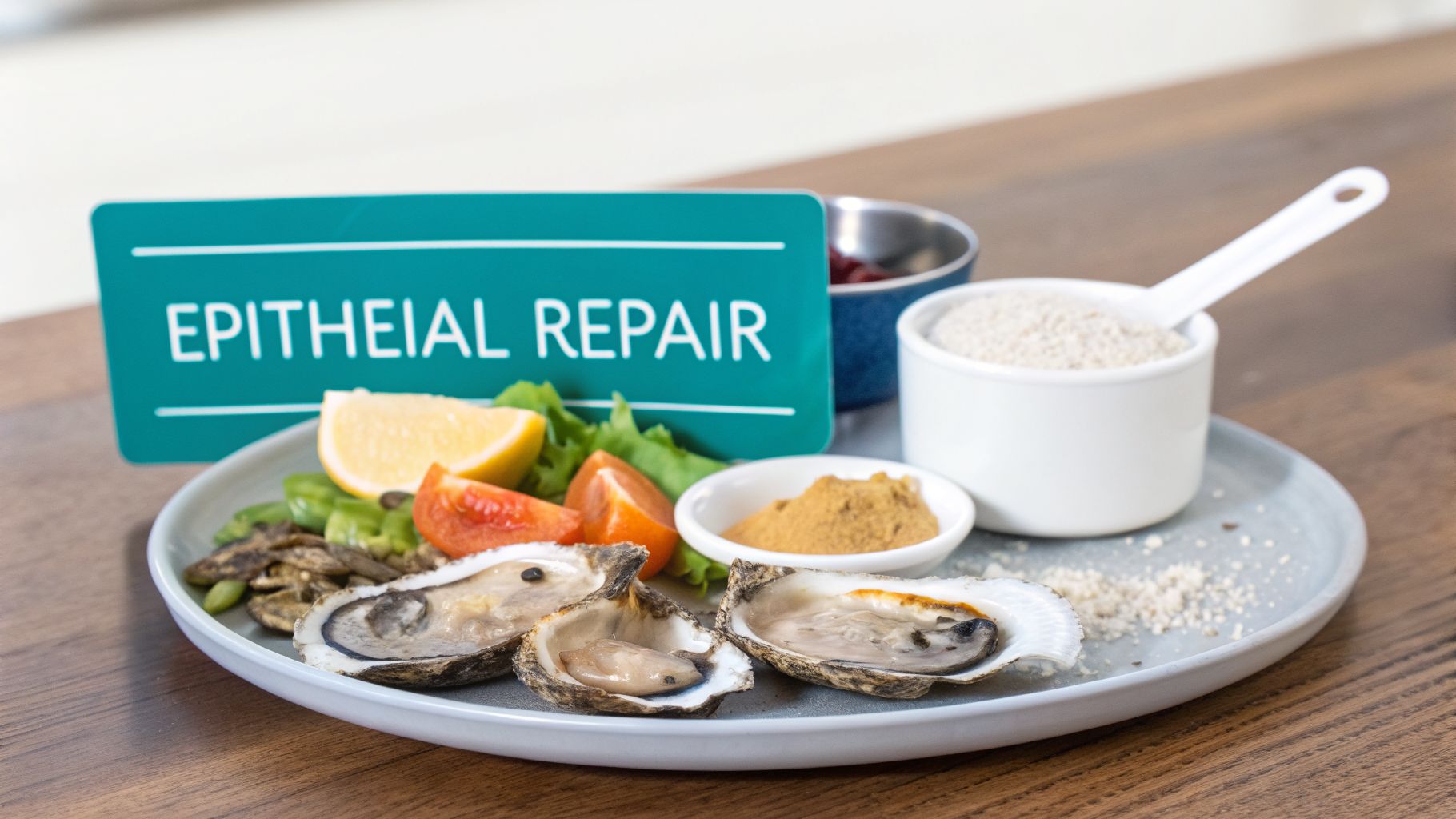
A deficiency in zinc directly impairs the healing cascade, leading to decreased wound strength and delayed re-epithelialization. Its influence is most pronounced in the proliferative and remodeling stages, where it supports the migration of keratinocytes to close the wound surface and helps manage the inflammatory response. By ensuring adequate zinc levels, clinicians can accelerate healing and reduce the risk of infection, especially in patients with identified deficiencies. Incorporating such mineral support is a core component of evidence-based wound care practices. Zinc also contributes to the function of superoxide dismutase, an antioxidant enzyme that protects healing tissues from oxidative damage, further highlighting its comprehensive role.
Clinical Application and Dosing
Assessing for zinc deficiency is a key step when managing patients with chronic or stalled wounds. Signs like dermatitis, diarrhea, alopecia, and frequent infections can indicate a deficiency. Populations at risk include those with malabsorption syndromes, chronic liver or kidney disease, and high-output wounds or fistulas. Patients with large burns or extensive surgical wounds also have significantly increased zinc requirements due to losses through exudate.
- Dosing: The elemental zinc RDA is 8 mg/day for women and 11 mg/day for men. For wound healing, however, guidelines often recommend a therapeutic dose of 25-50 mg of elemental zinc daily. It is typically administered as zinc sulfate (which is about 23% elemental zinc, so a 220 mg tablet provides ~50 mg of elemental zinc) or in more bioavailable forms.
- Duration: Supplementation is generally recommended for short periods (e.g., 2-4 weeks) and re-evaluated. Long-term, high-dose zinc can interfere with copper absorption and lead to a deficiency.
Clinical Insight: Zinc's role is permissive; supplementing a patient with adequate zinc levels will not accelerate healing. Its benefit is seen almost exclusively in correcting a deficiency. Always screen for risk factors before recommending high-dose supplementation. A serum zinc level below 70 mcg/dL often indicates a need for intervention.
Practical Tips for Wound Care Clinicians
Integrating zinc supplementation into patient care plans requires attention to absorption, potential interactions, and long-term balance. The focus should be on correcting a deficit to support the body's healing capacity. This ensures targeted, effective, and safe intervention.
Assessment & Supplementation:
- Deficiency Screening: Screen for deficiency signs (dermatitis, hair loss) and risk factors like alcoholism or gastrointestinal diseases. If suspicion is high, a plasma zinc level test can confirm status.
- Supplement Form: Recommend chelated forms like zinc picolinate, gluconate, or citrate over zinc oxide for superior absorption and bioavailability.
- Absorption Timing: Advise patients to separate zinc doses from iron, calcium, and copper supplements by at least two hours to prevent absorption competition.
Dietary & Documentation:
- Food-First Approach: Encourage patients to consume zinc-rich foods. For home health patients, provide a list of practical sources like oysters, beef, poultry, beans, and fortified cereals. Oysters are the most potent source, containing more zinc per serving than any other food.
- Patient Education: Instruct patients to take zinc with a meal to minimize potential nausea but to avoid taking it with high-fiber meals, which can inhibit absorption.
- Monitoring & Documentation: When supplementing with higher doses (e.g., >40 mg/day) for over a month, monitor for signs of copper deficiency (anemia, neutropenia). Document the rationale for supplementation, the dosage, patient education, and the wound's response to justify medical necessity.
3. Vitamin A (Retinol) – Epithelialization and Immune Modulation
Vitamin A, in its active forms like retinol, is a fat-soluble vitamin that plays a decisive role in regulating cell growth and immune function, making it one of the best vitamins for wound healing. Its primary mechanism involves directing epithelial cell differentiation via retinoic acid receptor signaling. This process is essential for epithelialization, where new skin cells migrate across a wound bed to close the defect. It also supports the immune response and contributes to collagen synthesis, ensuring a coordinated and effective repair cycle. This regulation of gene expression is crucial for orchestrating the complex cellular activities that define the proliferative phase of healing.
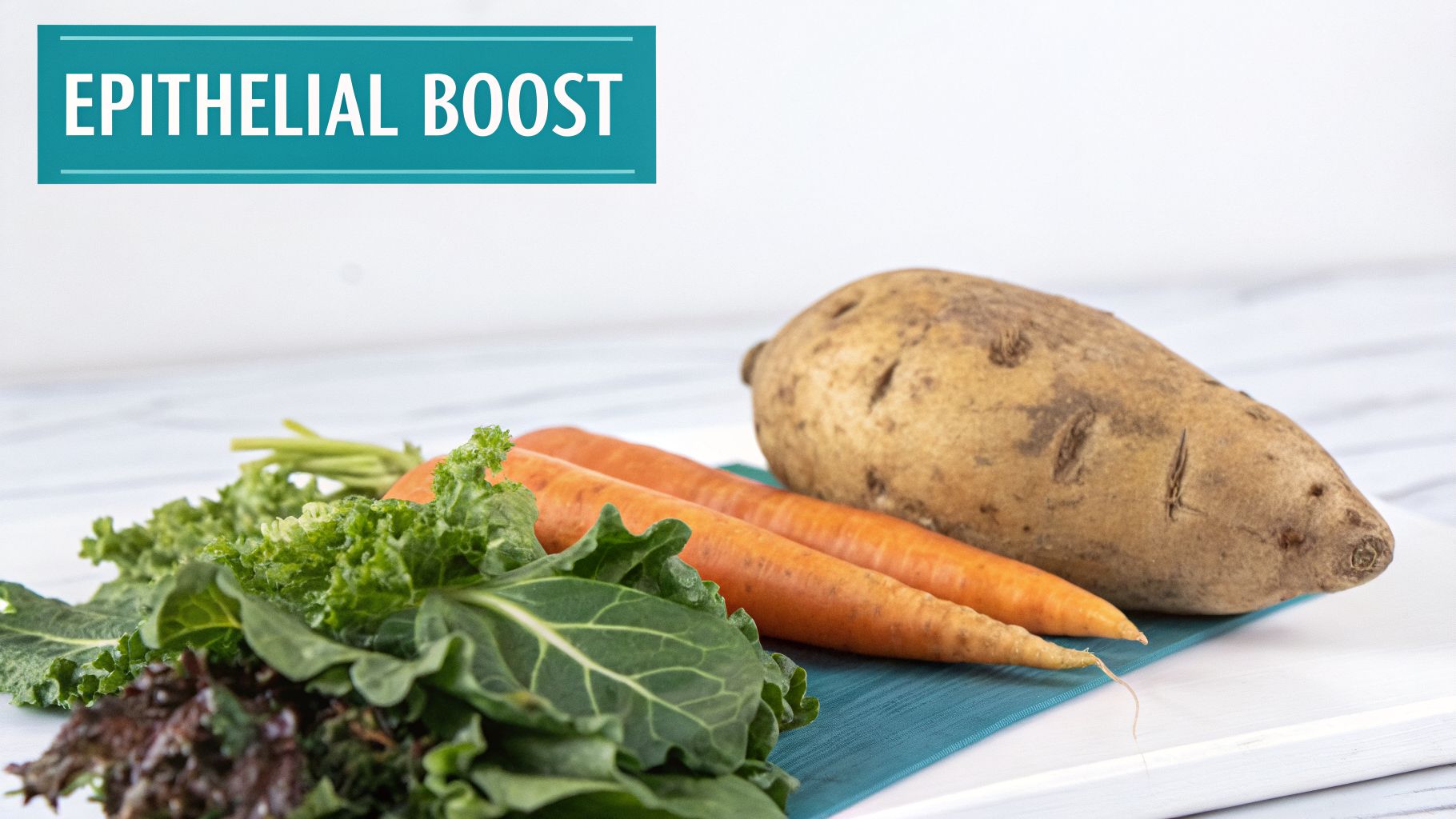
While perhaps less recognized than vitamin C for collagen production, a deficiency in vitamin A severely impairs the epithelialization and inflammatory phases of healing. It helps control inflammation by modulating T-helper cells and macrophages, preventing an excessive or prolonged inflammatory state that can stall wound progress. By maintaining the integrity of epithelial tissues, vitamin A ensures the body can form a robust barrier against infection and complete the closure process. Its ability to reverse steroid-impaired wound healing is a particularly important clinical application, as it can restore the inflammatory response necessary for proper repair.
Clinical Application and Dosing
Patients with malabsorption syndromes like celiac disease, Crohn's, or cystic fibrosis are at high risk for vitamin A deficiency. Corticosteroid use can also interfere with vitamin A's actions, making supplementation necessary in patients on long-term steroid therapy who have wounds. Identifying these risk factors is key to targeted nutritional intervention. Chronic liver disease can also impair vitamin A storage and conversion, increasing the risk of deficiency.
- Dosing: For wound healing, oral supplementation is often recommended at doses of 10,000 to 15,000 IU daily. Some protocols may use up to 25,000 IU for short periods in deficient patients.
- Duration: High-dose supplementation (>15,000 IU) should be limited to short-term use, typically no more than 4 weeks, due to the risk of toxicity. Lower doses can be continued as needed under clinical supervision.
Clinical Insight: In patients on steroid therapy, supplemental vitamin A can help counteract the anti-inflammatory effects that delay wound healing. However, given that vitamin A is fat-soluble, toxicity is a real concern. Always monitor for signs like nausea, headache, dry skin, or bone pain. Toxicity risk is higher in patients with renal failure.
Practical Tips for Wound Care Clinicians
Integrating vitamin A into a wound care plan requires careful consideration of patient-specific factors, particularly potential toxicity and contraindications. The goal is to correct deficiencies that hinder epithelial and immune functions without causing harm. It's a powerful tool that demands a respectful and cautious approach.
Assessment & Supplementation:
- Screening: Assess for risk factors like malabsorptive conditions, poor diet, or long-term steroid use. Be especially cautious with women of childbearing age due to teratogenicity.
- Safety First: Avoid high doses in pregnant or lactating women. For safer long-term use, consider recommending beta-carotene, the precursor form, which the body converts to vitamin A as needed.
- Topical Use: For stubborn wounds with slow epithelial advancement, consider recommending a low-concentration retinol cream (0.025-0.1%) be applied to the periwound skin to stimulate cell migration. Never apply it directly into the wound bed.
Dietary & Documentation:
- Food as Medicine: Encourage dietary intake of vitamin A from sources like liver, sweet potatoes, carrots, kale, and collard greens. Providing a simple food list can empower patients. A single sweet potato can provide over 100% of the daily value.
- Clear Documentation: Document recommendations for supplementation, including dose, form (e.g., retinyl palmitate or beta-carotene), and duration. Note any counseling provided regarding toxicity risks and contraindications, which is critical for medical-legal protection.
4. Vitamin D (Calcitriol) – Immune Regulation and Antimicrobial Defense
Vitamin D, functioning as a powerful steroid hormone, plays a critical regulatory role in the body's immune response, making it one of the best vitamins for wound healing, particularly in preventing infection. Its primary wound-related function is driven through the vitamin D receptor (VDR), which modulates immune cells and enhances the skin's innate defense systems. This signaling pathway is crucial for stimulating the production of antimicrobial peptides like cathelicidin and beta-defensins, which are the body's first line of defense against bacterial invasion at the wound site. These peptides disrupt bacterial cell membranes, providing a natural, localized antibiotic effect.
Beyond direct antimicrobial action, vitamin D supports macrophage function and helps regulate T-cells, which are essential for controlling inflammation and transitioning the wound from the inflammatory to the proliferative phase. A deficiency in vitamin D can impair these immune functions, leaving the wound vulnerable to colonization and infection, thereby delaying or stalling the healing process. To ensure optimal levels for immune regulation and antimicrobial defense, a Vitamin D blood test can help determine individual needs. Research has also linked vitamin D deficiency to an increased risk of diabetic foot ulcers and poorer outcomes in patients with burns, underscoring its clinical relevance.
Clinical Application and Dosing
Vitamin D deficiency is widespread, especially in elderly, homebound, or institutionalized patients with limited sun exposure. These are often the same populations suffering from chronic wounds. Assessing and correcting vitamin D status is a key step in a nutritional approach to wound management. Individuals with darker skin pigmentation or those living in northern latitudes are also at a significantly higher risk of deficiency.
- Dosing: For individuals with diagnosed deficiency (serum 25(OH)D levels <20 ng/mL), high-dose supplementation of 50,000 IU of vitamin D3 once weekly for 8 weeks is a common protocol, followed by a maintenance dose. For general support, doses of 1,000-4,000 IU daily are often recommended.
- Duration: Supplementation should continue until serum levels are in the optimal range (typically >30 ng/mL) and maintained thereafter, especially for at-risk individuals.
Clinical Insight: In patients with stalled chronic wounds, especially those with recurrent infections, a low 25(OH)D level is a common finding. Addressing this deficiency can significantly improve the wound's ability to resist microbial biofilms and progress toward closure. It is a simple yet high-impact intervention.
Practical Tips for Wound Care Clinicians
Integrating vitamin D assessment and management into patient care plans can bolster the wound's immunological defenses and support overall healing. This proactive measure can prevent complications and improve outcomes, especially in high-risk patient populations.
Assessment & Supplementation:
- Initial Screening: Screen at-risk patients (elderly, limited mobility, darker skin tones) with a baseline serum 25-hydroxyvitamin D [25(OH)D] test.
- Supplement Form: Always recommend vitamin D3 (cholecalciferol) over D2 (ergocalciferol), as D3 is more effective at raising and maintaining serum vitamin D levels.
- Co-factors: For optimal absorption and function, advise co-supplementation with magnesium (300-400 mg) and ensure adequate calcium intake (1000-1200 mg daily from diet or supplements).
Dietary & Documentation:
- Lifestyle First: Where clinically appropriate, encourage 15-30 minutes of midday sun exposure as a primary intervention. For home health patients, recommend dietary sources like fatty fish (salmon, mackerel), fortified milk, and fortified cereals.
- Monitoring & Documentation: After initiating supplementation, re-test 25(OH)D levels in 8-12 weeks to ensure the target of >30 ng/mL is reached. Document seasonal variations in patient charts for longitudinal tracking, as levels often drop in winter months.
5. Protein and Amino acids (Especially Arginine, Glutamine, Leucine) – Structural Foundation and Growth Signaling
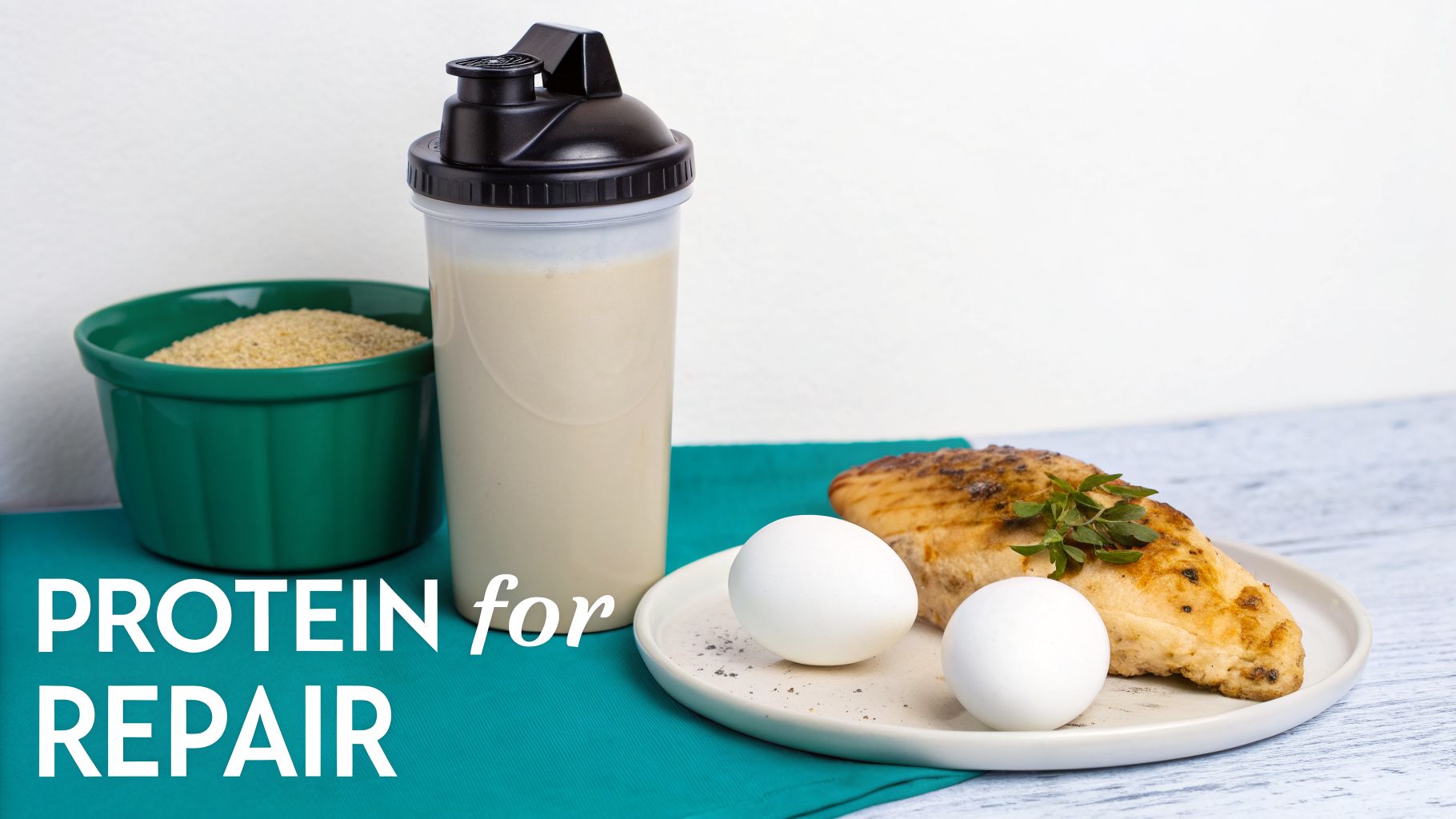
While not technically a vitamin, protein is arguably the most critical macronutrient for tissue repair, and its building blocks, amino acids, are central to the process. A deficiency in protein is one of the strongest nutritional predictors of poor healing outcomes. Amino acids provide the structural foundation for new collagen, elastin, and the various proteins that make up immune cells and growth factors. Without adequate protein, the body cannot mount an effective healing response, leading to stalled wounds and increased infection risk. This condition, known as protein-energy malnutrition, can lead to edema that impairs circulation and hypoalbuminemia that weakens the body's inflammatory response.
Specific amino acids have unique functions that make them a focus in advanced wound care. Arginine serves as a precursor to nitric oxide, a molecule that promotes vasodilation and improves blood flow to the wound bed. Glutamine is a primary fuel source for rapidly dividing cells like fibroblasts and immune cells. Meanwhile, branched-chain amino acids (BCAAs) such as leucine directly stimulate mTOR signaling pathways, which drive the anabolic processes necessary for new tissue synthesis. This multifaceted role makes protein and its components a top consideration for any wound healing plan.
Clinical Application and Dosing
Nutritional assessment should be a standard part of the intake process for any patient with a wound. Protein-energy malnutrition can severely hinder healing, so identifying and correcting deficits is a priority. Calculating a patient's specific protein needs is essential, as the metabolic demands of wound healing significantly increase requirements. Patients with large exudating wounds can lose a significant amount of protein daily through wound fluid, further elevating their needs.
- Dosing: While healthy adults need about 0.8 g of protein per kg of body weight, patients with wounds require much more. Clinical guidelines from organizations like the American Society for Parenteral and Enteral Nutrition (ASPEN) recommend 1.2-1.5 g/kg/day, with some complex cases needing up to 2.0 g/kg/day.
- Duration: High-protein intake should continue until the wound is fully healed or as determined by the clinical team, with regular reassessment of the patient's nutritional status.
Clinical Insight: Prealbumin is a more sensitive marker for recent nutritional changes than albumin due to its shorter half-life (2-3 days vs. 20 days). Trending prealbumin levels can help monitor the effectiveness of a nutritional intervention over a 2-3 week period. A rising prealbumin often correlates with positive wound healing progress. A value below 15 mg/dL suggests significant malnutrition.
Practical Tips for Wound Care Clinicians
Integrating a robust protein plan requires a blend of dietary counseling, supplementation, and careful monitoring. The aim is to make meeting these elevated needs as practical as possible for the patient. It's about bridging the gap between clinical recommendation and real-world application.
Assessment & Supplementation:
- Calculate Needs: At the first visit, calculate the patient's daily protein goal in grams (patient's weight in kg x 1.2-1.5). Screen for malnutrition by reviewing albumin/prealbumin levels and dietary history.
- Supplement Strategy: If oral intake is insufficient, recommend whey or soy protein shakes (20-30 g) twice daily. These are often better tolerated by elderly patients than large meals. For patients with significant healing demands, consider specialized formulas containing arginine and glutamine, such as those made by Abbott or Nestlé.
- Monitor Tolerance: GI side effects like bloating or diarrhea can occur with high-protein formulas. Advise patients to divide doses, try different flavors, or use peptide-based formulas, which are easier to digest.
Dietary & Documentation:
- Food-First Approach: Always start by encouraging whole-food sources. For home health patients, provide a list of affordable, accessible options like eggs, Greek yogurt, canned tuna, cottage cheese, and beans. A single cup of Greek yogurt can provide over 20 grams of protein.
- Documentation: Clearly document the calculated protein requirement, the patient's estimated intake, any supplementation provided, and all dietary counseling. Track indirect markers like wound progression and prealbumin levels to justify the continued need for nutritional support for billing and coding purposes.
6. Vitamin B Complex (B1, B2, B3, B5, B6, B12, Folate) – Energy Metabolism and DNA Synthesis
The vitamin B complex is a group of eight water-soluble vitamins that act as essential coenzymes for cellular function, making them collectively one of the best vitamin groups for wound healing. Their primary role is to drive energy metabolism, converting carbohydrates, fats, and proteins into the adenosine triphosphate (ATP) needed to fuel the high metabolic demands of tissue repair. These vitamins are also indispensable for DNA synthesis, cell replication, and protein synthesis, all of which are foundational processes for building new tissue. Without sufficient B vitamins, cells lack the energy and building blocks to carry out their repair functions efficiently.
A deficiency in any single B vitamin can create a bottleneck in the healing cascade. For instance, folate (B9) and cobalamin (B12) are critical for the rapid cell division required to form new blood vessels and the granulation tissue matrix. Similarly, vitamins B1, B2, and B3 are direct cofactors in the Krebs cycle, which generates the energy that fibroblasts need to proliferate and produce collagen. Because their functions are so interconnected, a balanced B-complex supplement is often more effective than targeting an individual B vitamin. Vitamin B5 (pantothenic acid) also plays a role in enhancing fibroblast proliferation and improving the quality of scar tissue.
Clinical Application and Dosing
Assessing for B-vitamin deficiencies is particularly important in populations with malabsorption issues, alcoholism, advanced age, or restrictive diets. A lack of these key nutrients can significantly impair the inflammatory response, slow fibroblast activity, and compromise the overall energy available for repair, leading to stalled or chronic wounds. Patients on certain medications, such as metformin (which can deplete B12) or proton pump inhibitors, are also at higher risk.
- Dosing: Standard B-complex supplements vary in their composition. For therapeutic support in wound care, a high-potency, balanced B-complex formula is generally recommended. Look for products providing at least 100% of the Daily Value (DV) for each component.
- Duration: Supplementation is typically advised for the duration of the active healing process or until underlying deficiencies are corrected, as guided by a healthcare provider.
Clinical Insight: In elderly patients, atrophic gastritis can impair vitamin B12 absorption from food. In these cases, sublingual (under the tongue) or injectable forms of B12 may be necessary to bypass the digestive system and ensure adequate levels for neurological function and cell synthesis. Always consider this possibility in older adults with non-healing wounds.
Practical Tips for Wound Care Clinicians
Integrating B-complex support into a patient's treatment plan involves identifying at-risk individuals and selecting the most appropriate form of supplementation to overcome potential absorption barriers. It's about ensuring the metabolic machinery of healing is well-oiled.
Assessment & Supplementation:
- Initial Screening: Screen for risk factors such as vegan/vegetarian diets, gastrointestinal disorders (e.g., Crohn's disease), metformin use, or a history of bariatric surgery. Consider baseline lab tests for B12 and folate if deficiency is suspected.
- Supplement Form: For enhanced bioavailability, recommend supplements containing the methylated forms: methylfolate (instead of folic acid) and methylcobalamin (instead of cyanocobalamin).
- GI Tolerance: Advise patients to take B-complex vitamins with food to minimize the risk of nausea or stomach upset.
Dietary & Documentation:
- Food-First Approach: Encourage patients to consume B-vitamin-rich foods. Good sources include whole grains, lean meats, eggs, legumes, and dark, leafy greens. Provide a list of accessible and affordable options.
- Documentation: Document all nutritional counseling, the rationale for supplementation (e.g., suspected deficiency due to dietary habits), and the specific product recommended. Track wound progress in conjunction with nutritional intervention to justify continued care and support medical necessity for billing.
7. Iron and Copper – Oxygen Delivery, Enzymatic Cross-linking, and Tissue Remodeling
Iron and copper are essential minerals that work in concert to support tissue repair, making them critical for optimal outcomes. While not vitamins, their roles are so fundamental that they are often considered alongside the best vitamins for wound healing. Iron is the core component of hemoglobin, the protein in red blood cells responsible for transporting oxygen to the wound bed. This oxygen is vital for cellular metabolism, collagen synthesis, and fighting off infection. Hypoxia, or low oxygen tension, at the wound site is a major impediment to healing, and iron deficiency is a common cause.
The synergy between these two minerals is crucial. Copper functions as a key cofactor for lysyl oxidase, an enzyme that cross-links collagen and elastin fibers, which provides the new tissue with tensile strength and durability. Copper is also required for iron absorption and mobilization, while both minerals are components of antioxidant enzymes like superoxide dismutase (copper) and catalase (iron-dependent). A deficiency in either mineral can disrupt oxygen delivery, weaken the structural integrity of the newly formed tissue, and increase susceptibility to infection, thereby stalling the healing process.
Clinical Application and Dosing
Deficiencies in iron are common, particularly in patients with chronic blood loss, malabsorption issues, or poor dietary intake. Copper deficiency, while less common, can be induced by high-dose zinc supplementation without concurrent copper. Assessing for and correcting these imbalances is a priority for any patient with a non-healing wound. Patients with chronic kidney disease or inflammatory bowel disease are particularly susceptible to iron deficiency anemia.
- Dosing (Iron): Dosing is highly dependent on the degree of deficiency. Standard supplementation often involves 325 mg of ferrous sulfate (providing 65 mg of elemental iron) one to three times daily. For better tolerance, lower doses or different forms may be used.
- Dosing (Copper): When supplementing with zinc for wound healing, it's a standard practice to include copper to prevent deficiency. A common ratio is adding 1-2 mg of copper for every 15-25 mg of zinc.
Clinical Insight: In anemic patients (low hemoglobin), wound hypoxia is a major barrier to healing. Always screen ferritin, hemoglobin, and transferrin saturation when a wound is stalled, or if the patient presents with signs of fatigue or pallor. Correcting anemia is often the first step to restarting a stalled healing trajectory. A ferritin level below 30 ng/mL indicates depleted iron stores.
Practical Tips for Wound Care Clinicians
Managing iron and copper levels requires careful assessment, targeted supplementation, and patient education to ensure efficacy and prevent adverse effects. The goal is to optimize the micronutrient environment for tissue regeneration. This is a targeted intervention with a high potential for impact on stalled wounds.
Assessment & Supplementation:
- Lab Screening: When iron deficiency is suspected, order a panel including ferritin (for iron stores), hemoglobin/hematocrit, MCV, and transferrin saturation. This provides a complete picture to guide supplementation.
- Absorption Issues: Advise patients to take iron supplements with a source of vitamin C (like orange juice or a 250 mg supplement) to enhance absorption. They should also separate iron doses from calcium supplements, high-calcium foods, and certain antacids by at least two hours.
- GI Tolerance: Many patients experience constipation or stomach upset with ferrous sulfate. Recommend gentler forms like iron bisglycinate or suggest taking the supplement with a small meal or adjusting the frequency to every other day.
Dietary & Documentation:
- Food-First Approach: Encourage intake of iron-rich foods like red meat, poultry, and fish (heme iron), as well as beans, lentils, and fortified cereals (non-heme iron). Copper is found in shellfish, nuts, seeds, and whole grains.
- Documentation: When supplementation is initiated based on lab results, document the findings, the prescribed supplement regimen, and patient education provided. Use ICD-10 codes like D50.9 (Iron deficiency anemia, unspecified) to support medical necessity for testing and management.
Comparison of 7 Key Nutrients for Wound Healing
| Nutrient / Intervention | Complexity 🔄 | Resources & Monitoring ⚡ | Expected outcomes 📊⭐ | Ideal use cases 💡 | Key advantages ⭐ |
|---|---|---|---|---|---|
| Vitamin C (Ascorbic Acid) | Low — oral/dietary first-line; occasional high-dose therapy | Low — OTC supplements, dietary counseling; monitor GI tolerance and malnutrition status | ⭐⭐⭐ High in deficient patients; ↑collagen, faster closure (≈20–30%) | Collagen support: pressure injuries, diabetic ulcers, burns, surgical wounds | Well‑researched, affordable, antioxidant; multi‑phase healing support |
| Zinc | Moderate — dosing/timing and interaction management required | Moderate — choose bioavailable forms (picolinate/chelate); monitor copper if >40 mg/day | ⭐⭐⭐ Improves epithelialization (~15–25%); reduces infection risk in deficient pts | Epithelialization delays, venous/pressure ulcers, immunocompromised wounds | Dual immune + structural roles; rapid clinical response in deficiencies |
| Vitamin A (Retinol) | High — teratogenicity and toxicity risks; topical vs systemic choices | High — pregnancy screening, limit duration, monitor for hypervitaminosis A | ⭐⭐ Potent for epithelialization in deficient pts (20–40% faster) | Stalled epithelialization, burns, surgical site support (topical adjunct) | Strong epithelial/immune modulation; topical options for local effect |
| Vitamin D (Cholecalciferol/Calcitriol) | Low — supplementation and sun exposure strategies | Moderate — baseline 25‑OH‑D testing recommended; co‑supplement Ca/Mg; delayed effect (4–8 wks) | ⭐⭐ Reduces infection risk (~20–30%) and supports bone healing | Elderly/homebound, chronic wounds with recurrent infection, bone wounds | Immune + bone support; safe at recommended doses and widely available |
| Protein & Amino Acids (Arginine/Glutamine/Leucine) | Moderate — requires g/kg calculations and dietary planning | Moderate–High — nutritional assessment, prealbumin/albumin monitoring, adjust for renal disease | ⭐⭐⭐⭐ Highest impact in malnourished pts; reduces healing time 30–50% | Malnutrition, pressure injuries, perioperative optimization, sarcopenia | Foundational substrate for repair; multiple mechanisms, strong evidence base |
| Vitamin B Complex | Low — oral supplementation easy; injectable B12 when indicated | Low–Moderate — consider B12 testing/IM for pernicious anemia; use methylated forms if needed | ⭐⭐ Supports energy/DNA synthesis; ~15–20% faster healing in deficient groups | Elderly with multiple deficiencies, malabsorption, prolonged recovery | Broad metabolic support, reduces fatigue and supports cell proliferation |
| Iron & Copper (paired) | High — lab‑guided repletion and careful balancing with zinc | High — CBC, ferritin, TSAT, serum copper monitoring; watch for overload/toxicity | ⭐⭐ Correcting deficiency improves oxygen delivery and tensile strength; reduces chronicity | Anemia‑related delayed healing, suspected copper‑linked matrix weakness, periop optimization | Critical for oxygen transport and collagen cross‑linking; targeted correction yields clear benefits |
Integrating Nutrition into Practice: The Future of Wound Management
The search for the single best vitamin for wound healing often misses a more fundamental truth: effective tissue repair is a team sport, not a solo performance. As we have explored, the process is a complex biological cascade requiring a full roster of micronutrients. Vitamin C is essential for collagen synthesis, zinc drives cellular replication, and Vitamin A guides epithelial growth. Meanwhile, B vitamins fuel the metabolic engine, while minerals like iron and copper ensure oxygen delivery and structural integrity. No single supplement can substitute for this coordinated effort. The interplay between these nutrients is synergistic; for example, vitamin C enhances iron absorption, and copper is needed for iron transport, illustrating that a deficiency in one can create a functional deficit in another.
Therefore, the most effective approach is not about finding one magic bullet but about implementing a comprehensive nutritional strategy. For the modern wound care clinician, this signals a critical shift in practice, moving from a passive, advisory role to one of active nutritional assessment and intervention. It means recognizing that the wound is a window into the patient's overall systemic health and nutritional status. A non-healing wound is often a symptom of a deeper, systemic nutritional failure that, if left unaddressed, will undermine even the most advanced topical therapies.
From Theory to Actionable Clinical Strategy
Adopting a nutrition-forward mindset requires translating these principles into your daily workflow. The goal is to make nutritional screening as routine as measuring a wound's dimensions. This proactive approach transforms the care paradigm from reactive wound management to proactive patient optimization, leading to superior outcomes and greater clinical efficiency.
- Systematic Screening: Implement a simple, standardized screening tool for all patients with chronic or complex wounds. Questions about appetite, unintentional weight loss, and dietary restrictions can quickly identify individuals at risk. Tools like the Mini Nutritional Assessment (MNA) can be easily integrated into intake forms.
- Targeted Assessment and Intervention: For at-risk patients, proceed with more detailed assessments. This could involve ordering lab tests for specific micronutrients like pre-albumin, Vitamin C, zinc, or Vitamin D. The results should directly inform a targeted supplementation plan.
- Food-First Counseling: Supplementation is a powerful tool, but it should not replace dietary counseling. Provide patients with simple, practical guidance on incorporating nutrient-dense foods. For example, instead of just saying "eat more protein," suggest specific sources like Greek yogurt, cottage cheese, or lentils that are easy to prepare and consume.
- Documentation and Coding: Precise documentation is crucial for both continuity of care and proper reimbursement. When a nutritional deficiency is identified (e.g., E55.9 for Vitamin D deficiency, unspecified, or E61.5 for zinc deficiency), it should be documented as a secondary diagnosis. This paints a complete clinical picture and supports the medical necessity of your interventions.
The Broader Impact of Nutritional Intervention
Focusing on the nutritional underpinnings of wound care does more than just accelerate closure. It fundamentally elevates the standard of care by treating the whole patient, not just the hole in the patient. This holistic approach builds patient resilience, reduces the likelihood of new wounds forming, and improves overall health and well-being long after the initial wound has healed.
By addressing the root causes of delayed healing, such as a protein deficit or a critical vitamin deficiency, you directly influence outcomes. This proactive stance can lead to reduced complication rates, lower readmission risks, and a significant decrease in the overall cost of care.
For a patient, this means a faster return to function, less pain, and a better quality of life. For a clinic or hospital system, it translates to improved performance metrics, stronger financial health, and a reputation for clinical excellence. Correlating specific nutritional interventions with healing velocity allows your practice to build its own internal evidence base, refining protocols and demonstrating value to patients, payers, and stakeholders. In essence, mastering nutritional management is not just an adjunct to wound care; it is the foundation upon which all other advanced therapies are built. It is the key to unlocking better outcomes and shaping the future of wound management.
Ready to make nutritional assessment a seamless part of your wound care workflow? Ekagra Health AI captures your ambient patient conversations and automatically identifies nutritional deficiencies, suggesting the appropriate ICD-10 codes and tracking intervention outcomes. Discover how our intelligent documentation platform can help you optimize patient care and streamline your practice at Ekagra Health AI.
